Cameron Wolf · 6 October 2026
Palmcrest Library System Deploys Mobile Tech Labs to Close Digital Skill Divides
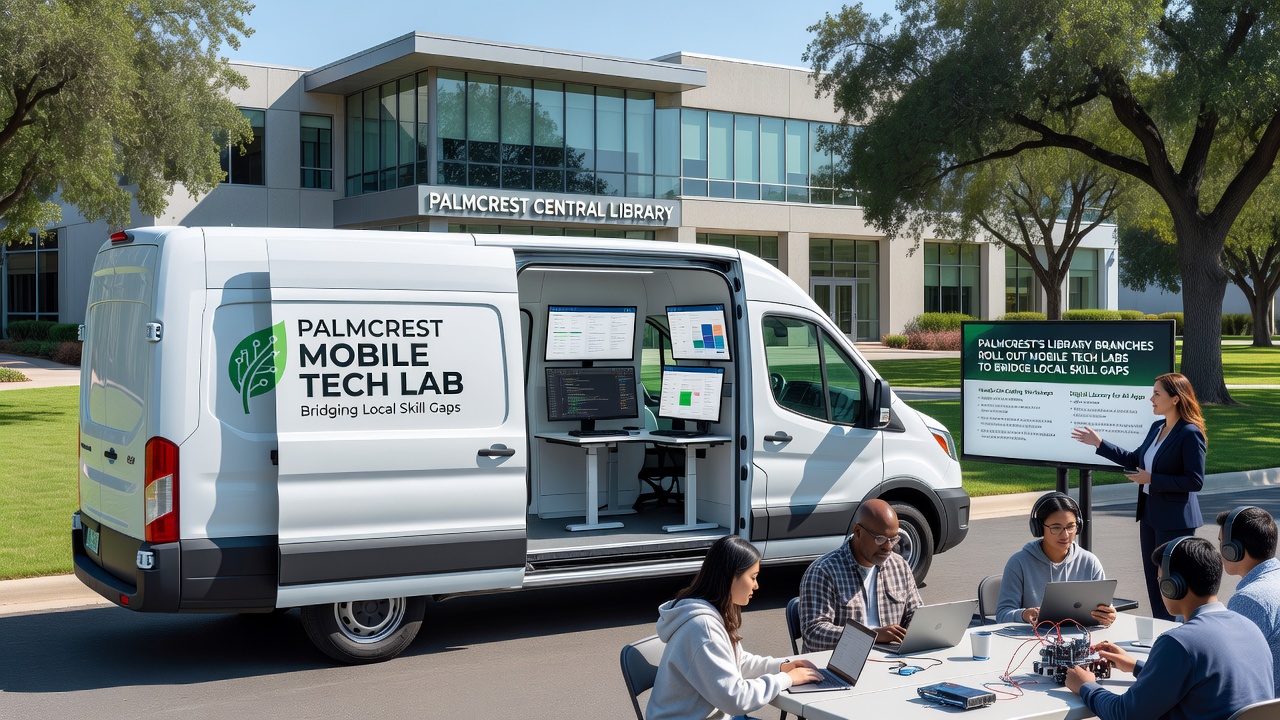
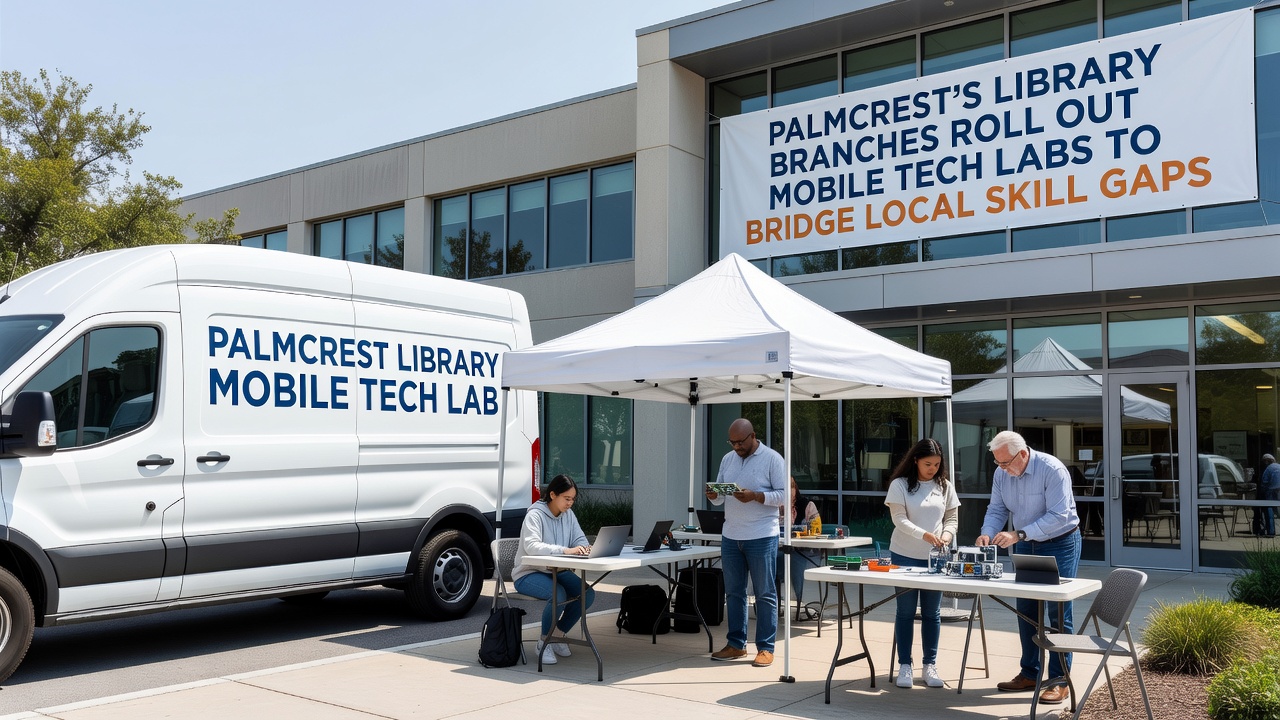
Palmcrest libraries have begun rolling out mobile tech labs across multiple branches, with the first units hitting the streets in October 2026 to reach residents who lack access to digital training resources. These portable setups include laptops, coding kits, virtual reality headsets, and high-speed internet connections that travel to schools, community centers, and rural neighborhoods where skill gaps in technology persist. The program draws from data collected by the Palmcrest Public Library District showing that 42 percent of local adults report limited experience with basic digital tools such as spreadsheet software or online security practices. Officials coordinated with local workforce boards to identify priority areas including coding fundamentals, data analysis, and cybersecurity basics.Program Structure and Equipment Details
Each mobile lab operates from a customized van equipped with 15 workstations and modular furniture that converts park spaces or parking lots into temporary classrooms. Sessions run for two hours and cover topics that align with job market demands tracked by regional employment agencies. Participants sign up through the library app or at branch desks, and materials remain available for checkout after classes end. Staff members who completed certification programs through the American Library Association lead the workshops, and they rotate between fixed branch locations and mobile stops on a weekly schedule. Early bookings filled within days of the October announcement, prompting the addition of evening slots at three sites.Community Reach and Partnerships
Partnerships with area schools allow labs to visit during after-school hours while collaborations with senior centers schedule daytime sessions focused on tablet navigation and telehealth platforms. One study from the Australian Bureau of Statistics on digital inclusion in regional communities informed the scheduling approach, emphasizing flexible timing to accommodate shift workers and caregivers. Data collected during the first month showed attendance from 1,200 individuals across 18 stops, with repeat visitors accounting for 35 percent of the total. Library records indicate that follow-up requests for advanced courses increased by 28 percent compared with the same period in 2025.